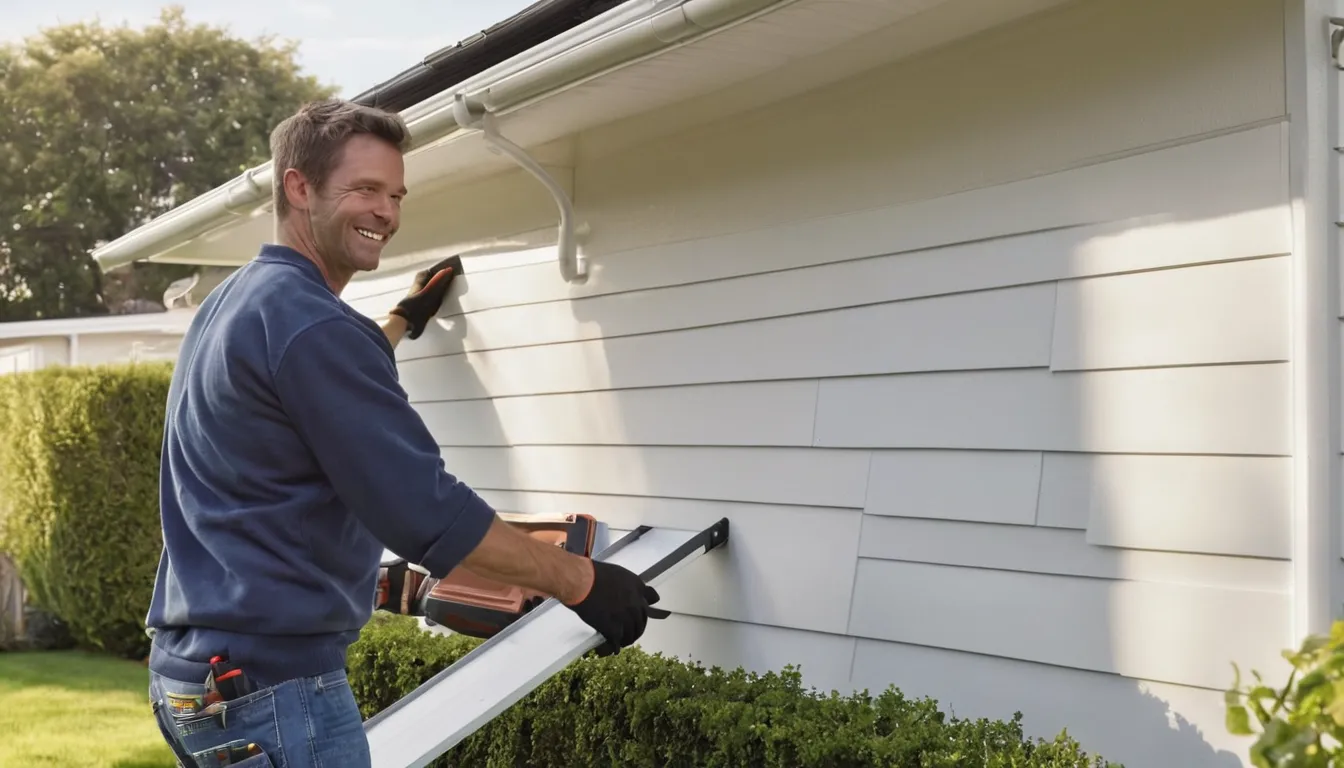
Siding does a quiet job. It keeps rain, wind, and cold away from the walls where your family lives. When it starts to crack, curl, or loosen, it is natural to feel unsure about what to do first.
Robinsonshared Windows & Siding is a referral service. We connect homeowners in the Salem Lakes area with independent local providers who handle siding installation. The providers do the work, not Robinsonshared Windows & Siding. This page walks you through the warning signs, material choices, timing, and the questions worth asking, so you can plan around your daily routine and choose with confidence.
Siding Looking Rough? Start Here
If your siding is cracked, loose, or letting in cold air, take a slow walk around the house. Look at each wall. Notice what you see. You do not need to solve it all today. You just need a clear picture.
Why Timing Matters
Siding is the outer shell of your home. When it fails, moisture can slip behind it and reach the sheathing and framing. Many frame houses in our area are decades old, so the layers underneath may already be tired. Acting early keeps small problems small.
Signs Your Home Needs New Siding
Some signs are easy to spot. Others hide in plain sight. Here is what to watch for.
Cracked, Warped, or Loose Panels
Panels that rattle in the wind, curl at the edges, or show gaps are asking for attention. Hail and heavy summer storms can dent and crack them too. One or two bad spots may be minor. Widespread damage usually points toward replacement.
Soft Spots and Moisture Clues
Press gently near corners and under windows. Spongy wood, peeling paint, or stains inside the wall can mean water got in. A musty smell in the basement along an exterior wall is another hint. Mention anything like this to the provider.
Drafts and Higher Bills
If rooms along outer walls feel icy in deep-frost winters or stuffy in humid summers, your wall system may be losing efficiency. New siding with insulated backing can help. Energy efficient windows pair well with it, though that is its own project.
Choosing a Siding Material
No single material fits every house. Climate, budget, and look all matter. Ask residential siding contractors to explain why they suggest one option over another.
Vinyl Siding
Vinyl siding is common on bungalows and ranch homes. It is light, comes in many colors, and needs little upkeep. Quality varies by thickness, so ask what grade is in the quote. In hail country, thicker panels tend to handle impact better.
Fiber Cement and Wood
Fiber cement resists rot and holds paint well, but it is heavy and takes longer to put up. Wood has a warm, classic look, yet needs regular painting or staining. Both can suit older frame houses if you accept the upkeep.
Steel and Engineered Panels
Steel and engineered wood panels stand up well to storms. Each has trade-offs in price, dent resistance, and appearance. Ask to see samples outside, in your own light, before you decide.
What Siding Installation Involves
The process is easier to follow once you know the main steps.
Tear-Off and Inspection
The provider removes the old siding and checks the wall underneath. If they find damaged sheathing, they should show you and explain the fix before moving on.
Wrap, Flashing, and New Panels
Next come a weather barrier, flashing around windows and doors, and the new panels. Careful flashing helps keep spring rain out. Trim and caulking finish the job.
How Long Does Siding Installation Take?
Many average homes take several days to a couple of weeks. Size, material, weather, and hidden repairs all change the timeline. Ask for a written schedule and find out what happens if rain delays the work.
Planning Around Daily Life
Plan around life. A little prep keeps the week calm.
Kids, Pets, and Noise
Expect ladders, hammering, and people moving around the yard. Pets may need a quiet room or a sitter. If someone works from home or a baby naps midday, ask which side of the house goes first and when daily work starts.
Yard, Driveway, and Access
Clear the ground along your walls. Move grills, planters, and toys. Ask where materials will be stored and where vehicles will park, so you can still get your own car out in the morning.
Choosing the Season
Mild, dry stretches in spring and fall are popular, so booking early helps. Deep cold can make some materials harder to handle. Ask how the provider protects open walls if a thunderstorm rolls in.
Questions to Ask the Provider
Ask before you sign. Take your time, and write the answers down.
What a Good Answer Sounds Like
A good answer is specific. The provider names the material and thickness, describes how the walls will be prepared, and puts the scope in writing. They explain warranty terms on paper. They welcome questions about references, insurance, and any license your state requires.
Red Flags to Notice
Be careful with pressure to sign on the spot, a large cash deposit, a vague quote, or no written contract. Door-knocking after a hailstorm deserves extra caution. A provider who gets impatient with your questions is telling you something.
Comparing Written Quotes
Get more than one quote if you can. Compare the same material, the same scope, and the same cleanup terms. A big gap between quotes often means the jobs are not the same.
Your Next Step
Gather a few photos of the trouble spots and note the age of your siding. Then Request a callback to check provider availability in your area. You can also send a request and compare what comes back at your own pace.
What's Included
Old Siding Removal
The provider takes off worn panels and checks the wall underneath for hidden moisture or damage.
Weather Barrier
A wrap goes over the sheathing to help keep wind and rain from getting in.
New Panel Installation
Vinyl siding or another material you choose is fitted, sealed, and trimmed around windows and doors.
Cleanup and Walkthrough
Scraps and nails are cleared from the yard, and you review the finished walls together.
Typical Siding Cost Ranges
Prices depend on house size, material, wall condition, and local labor. These are typical U.S. ranges, not quotes. Always get a written quote from the provider before work begins, so you know what is included.
| Item | Typical range | Notes |
|---|---|---|
| Vinyl siding, whole house | $8,000 – $20,000 | Varies by panel thickness and home size |
| Fiber cement, whole house | $12,000 – $32,000 | Heavier material, longer install |
| Wood siding, whole house | $12,000 – $35,000 | Needs ongoing painting or staining |
| Old siding removal and disposal | $1,000 – $3,500 | Depends on layers and material type |
| Insulated backing or foam board | $2,000 – $6,000 | May help comfort and energy use |
| Sheathing repair found during work | $500 – $3,000 | Only if hidden damage is found |
How It Works
Look Around First
Walk the outside of your home and note cracks, gaps, soft spots, and drafty rooms.
Reach Out to Start
Request a callback to check provider availability, or send a request describing your siding.
Compare Written Quotes
Review the material, scope, schedule, and cleanup terms side by side before choosing.
Prepare for the Work
Clear the walls, plan for pets and noise, and confirm the schedule in writing.
Why Call Robinsonshared Windows & Siding
Plan Around Life
Ask providers about start times, noise, and parking so the work fits your family routine.
Local Providers
Robinsonshared Windows & Siding connects you with independent providers who know the weather and homes in the Salem Lakes area.
Clear Questions
You get plain guidance on what to ask before you sign anything.
No Pressure
Compare quotes at your own pace, with no obligation.
Other Services
Need siding installation help in Salem Lakes?
Tell us about your windows or siding. Robinsonshared Windows & Siding will connect you with an independent local provider in our network. Request an estimate with no obligation.
No obligationSiding Installation Help FAQ
How do I know if my siding needs to be replaced instead of patched?
Widespread cracking, warping, soft spots, or moisture behind the panels usually points to replacement. A few small damaged spots may be a different matter. A provider can inspect the walls and explain which fits your house.
How long does siding installation usually take?
Many average homes take several days to a couple of weeks. Weather, material, and hidden wall repairs can change that. Ask the provider for a written schedule.
Is vinyl siding a good choice for areas with hail and cold winters?
Vinyl siding is popular because it is light and needs little upkeep. Thicker grades handle impact better. Ask providers how the panels perform in hail and deep cold, and get the product details in writing.
Reach a local provider
Tell us about your windows or siding. Robinsonshared Windows & Siding will connect you with an independent local provider in our network. Request an estimate with no obligation.
No obligation